
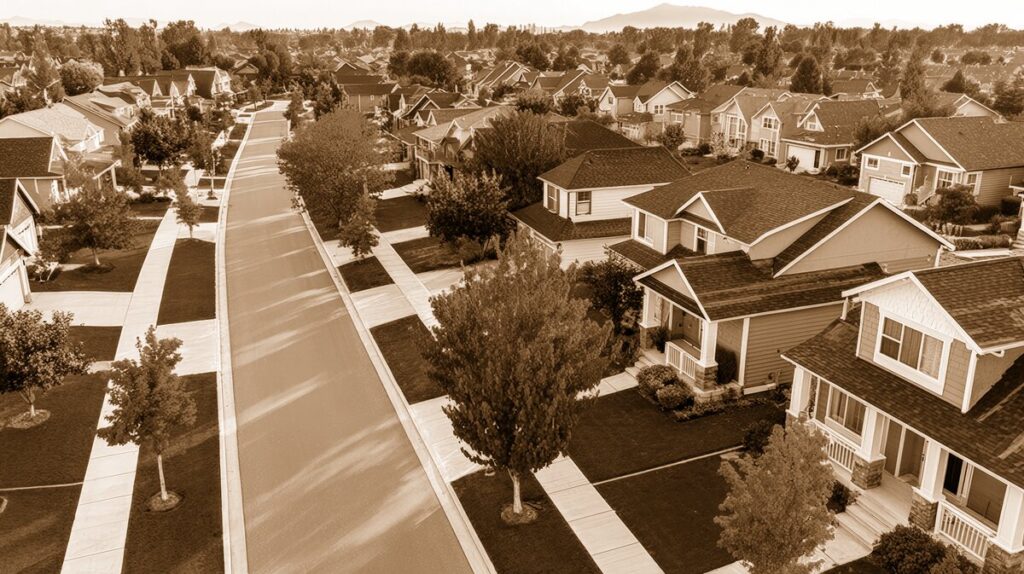
Nestled in the heart of one of Fort Bend County’s most beloved cities, Market Place at Sugar Land is a neighborhood whose roots run deep. As Sugar Land has blossomed from a historic company town to a diverse suburban haven, Market Place has played its own unique role, standing as a testament to the area’s adaptive spirit and tight-knit community. For longtime residents and newcomers alike, Market Place’s story is one to celebrate and remember.
Origins: From Farmland to Flourishing Neighborhood
To understand Market Place at Sugar Land, it’s essential to first look at the foundations of Sugar Land itself. The area began as a sugar plantation in the mid-1800s, operated by the Williams brothers before being consolidated into the Imperial Sugar Company. For decades, Sugar Land was synonymous with sugar production; the refinery, located off Main Street, powered the local economy and shaped generations of families.
Market Place at Sugar Land, situated near the crossroads of Highway 6 and U.S. 90A, was once an expanse of open land bordering the sugar refinery’s bustling hub. In the 1970s and 1980s, as Sugar Land began to transition from a company town to a master-planned city, land parcels were sold off for residential and commercial development. This area quickly became appealing due to its central location and proximity to the growing resources of the city.
Naming the Neighborhood: Why “Market Place”?
The name “Market Place” is a nod to the area’s commercial roots. In its early days, the surrounding blocks provided essential services to sugar plant workers and traveling merchants. The nearby intersection of Brooks Street and Highway 6 became a natural congregating spot for fresh markets, shops, and mom-and-pop businesses. The name celebrates Sugar Land’s tradition as both a marketplace for goods and a meeting place for neighbors.
Key Historical Milestones
- 1970s-1980s: Market Place breaks ground as new subdivisions rise alongside existing businesses. Single-family homes, low-rise apartments, and retail centers begin to populate streets like Guenther Street, Matlage Way, and Brooks Street.
- 1988: The last refinery-owned residences are sold, and the neighborhood officially transitions into a private residential community. This move opens Market Place at Sugar Land to families beyond plant workers, fostering new diversity.
- 1990s: Sugar Land’s rapid expansion brings improvements to city infrastructure. Market Place enjoys upgrades in roadways, landscaping, and community amenities.
- 2003: The historic Imperial Sugar refinery closes, but its presence still looms large. Residents rally to preserve nearby historic buildings and advocate for the adaptive reuse of factory lands.
- 2010s: Market Place’s central location helps it flourish as new dining, shopping, and cultural venues pop up along Highway 6 and Oyster Creek Drive. The area becomes a bridge between Sugar Land’s past and its vibrant present.
Notable Landmarks and Local Treasures
What makes Market Place such a special neighborhood are the places woven into its landscape—each with its own piece of Sugar Land history.
- Imperial Sugar Char House: Located just east of Market Place, this iconic brick smokestack and building complex dates back to 1925. Although the refinery is no longer in operation, the Char House stands as a beloved symbol of Sugar Land’s heritage.
- Brooks Street Park: This small green space near the corner of Brooks Street and Guenther Street is a favorite gathering spot for families. Its playground and picnic tables serve as a reminder of the neighborhood’s family-friendly heart.
- Lakeview Elementary School: Situated at the edge of the neighborhood on Eldridge Road, Lakeview is one of Sugar Land’s oldest continually operating schools, welcoming generations of local children since 1962.
- St. Theresa Catholic Church: Just across from Market Place's southern boundary, this church has long been an anchor for community gatherings, celebrations, and local charity work.
Evolution Over the Decades
Market Place at Sugar Land has grown and adapted with the city, blending old and new in a way that feels authentically Texan.
- Diversity and Community: Today, the neighborhood reflects the rich cultural tapestry of Sugar Land. Families from every background call Market Place home, celebrating heritage festivals, block parties, and events at the nearby Sugar Land Heritage Foundation.
- Walkability and Accessibility: With sidewalks winding past mature oaks and easy access to public transit on Highway 6, Market Place is a walker’s dream. Residents love strolling to local bakeries, boutiques, or the bustling Farmer’s Market held seasonally at the nearby Imperial Market.
- Preserved Character: Even as Sugar Land’s skyline has grown, Market Place retains its small-town charm. Many homes still boast mid-century architecture, and some original shops on Brooks Street are still in business, serving generations of loyal customers.
Why We Love Market Place at Sugar Land
Living in Market Place is about more than just location—it’s about connection. The neighborhood strikes a rare balance: close enough to Sugar Land Town Square and cultural attractions, yet peaceful and community-focused. Neighbors know one another. Kids ride bikes to Brooks Street Park. Elders share stories of how Market Place has changed, and everyone feels a sense of belonging.
For those seeking a place steeped in history yet open to the future, Market Place at Sugar Land is a neighborhood that welcomes you with open arms—and perhaps a fresh-baked treat from a local bakery.
Looking Ahead: The Next Chapter
As Sugar Land looks to the future, Market Place continues to evolve, embracing smart growth while honoring its roots. Planned enhancements to nearby parks, preservation efforts for Imperial-era landmarks, and a robust calendar of cultural events ensure that this cherished neighborhood remains a vibrant, inclusive, and historic gem in the heart of Sugar Land.
Whether you’re a lifetime resident or a first-time visitor, Market Place at Sugar Land offers a glimpse into the past while inviting you to be a part of its unfolding story. It’s this unique blend of heritage and hope that makes this neighborhood truly one of Sugar Land’s finest.